A new development in continuous casting technology is helping magnesium alloy producers tackle oxidation during production. Boron nitride ceramic rings are now being used in continuous casting moulds to protect molten magnesium from reacting with air. This simple but effective solution is gaining attention across the industry.
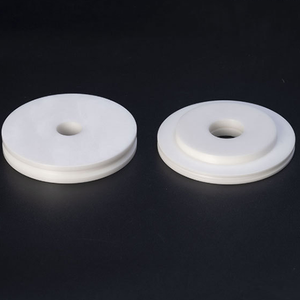
(Boron Nitride Ceramic Rings for Continuous Casting Moulds for Magnesium Alloys Prevent Oxidation)
Magnesium alloys are lightweight and strong, making them valuable for automotive and aerospace parts. However, they oxidize quickly when melted, which can lead to defects and safety risks. Traditional mould materials often fail to provide enough protection. The boron nitride ceramic rings act as a barrier between the hot metal and oxygen, reducing unwanted reactions.
These rings are made from high-purity boron nitride, a material known for its thermal stability and non-wetting properties. It does not stick to molten magnesium, which helps maintain smooth flow and consistent casting quality. The rings also last longer than many alternatives, cutting down on maintenance and downtime.
Manufacturers report fewer surface defects and cleaner castings since adopting the boron nitride rings. The improved process control allows for higher throughput without sacrificing product integrity. Operators also note easier handling and reduced slag formation during casting runs.
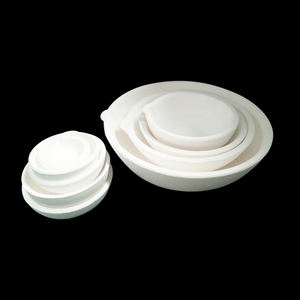
(Boron Nitride Ceramic Rings for Continuous Casting Moulds for Magnesium Alloys Prevent Oxidation)
The adoption of boron nitride ceramic rings aligns with industry efforts to improve efficiency and reduce waste. As demand for magnesium alloys grows, solutions like this help meet production needs while maintaining safety standards. Companies using this technology say it integrates easily into existing casting lines with minimal changes to current setups.